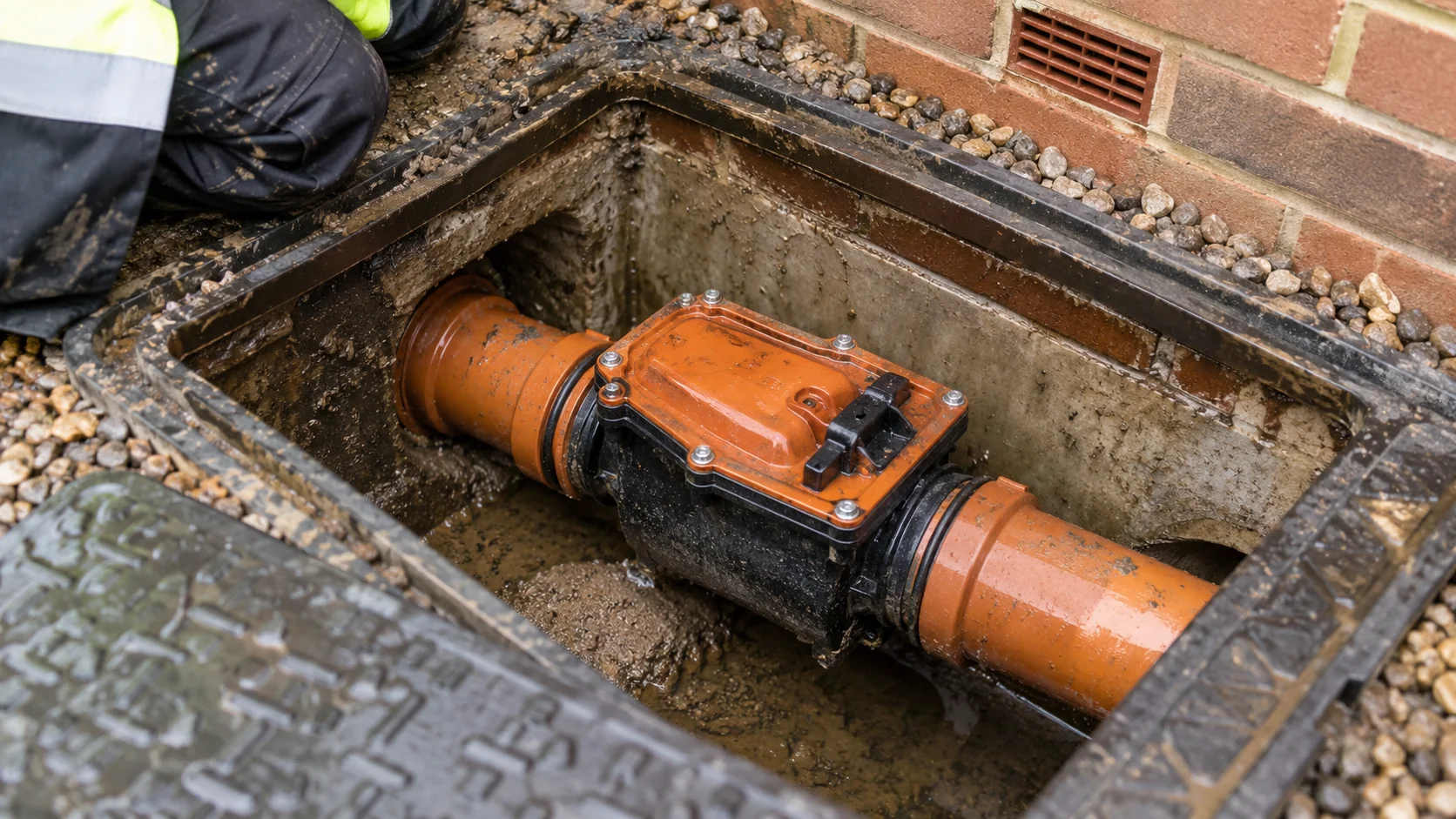
Start by identifying the type of drain
A foul drain carries wastewater from appliances and toilets, while a surface-water drain carries rainfall where separate systems exist. Combined drainage systems also serve many older streets.
The cause and responsibility can differ depending on which system is affected.
Where does private responsibility end?
In England and Wales, many shared lateral drains and sewers are generally the responsibility of the sewerage company, though exceptions exist. A drain serving only your property within its boundary is commonly privately maintained.
Do not assume the boundary fence is the legal dividing line. Ask the water company for the relevant arrangements if ownership is unclear.
A recurring blockage needs more than rodding
Roots, displaced joints, poor gradients and silt deposits can lead to repeated blockages. CCTV inspection can sometimes help locate defects after the immediate obstruction has been cleared.
Request the footage or findings, not just a statement that the drain “needs replacing”.
If sewage is surfacing
Avoid contact and keep children and pets away from contaminated water. Report an overflowing public sewer to the sewerage company. Do not open covers or enter drains.
If sewage has entered the property, contact your insurer and arrange safe cleanup, following the relevant health guidance.
Neighbours and shared services
Several households may be affected by the same defect. A useful investigation maps which properties connect to each pipe section.
Agree the facts before arranging work that could affect someone else’s property or a pipe you do not own.
What to ask before approving repairs
Ask for the identified defect, its location, evidence of ownership, proposed method of repair and any permits or permissions.
A contractor may be needed for private drains; public assets usually require involvement from the relevant sewerage company.
Shared does not always mean privately owned
Ownership depends on what the pipe serves and where it runs, not simply whether it crosses your garden. In England and Wales, many shared lateral drains and sewers are the sewerage company’s responsibility, while private drains serving one property are usually the owner’s. Arrangements and terminology can differ elsewhere in the UK. Establish responsibility before agreeing to expensive repairs.
Record evidence before making a claim
Photograph the overflow, note which homes are affected and keep any survey results. Ask the sewerage company to confirm whether the faulty section is theirs. If it is private, obtain a clear scope from a drainage contractor that identifies the pipe route, fault and proposed repair. Avoid excavating a shared line without the necessary agreement or access arrangements. Repeated blockages may indicate structural damage or a downstream restriction rather than something that can be solved by more jetting.
Establish which pipe is actually involved
When two neighbouring properties experience a drain problem at the same time, it is tempting to assume that the pipe is shared. That may be true, but water can also collect in the same low area from separate blocked gullies or from a public sewer under pressure. A useful investigation traces which appliances and outlets connect to the affected run. An inspection chamber or CCTV survey may clarify the route, although ownership cannot always be decided from camera footage alone.
In England and Wales, many lateral drains and shared sewers serving more than one property were transferred to water and sewerage companies. There are exceptions, and arrangements differ across the UK. Contact the relevant water company or drainage authority to establish whether the defect is theirs before paying a private contractor for substantial work.
What to record when flooding happens
Write down when the water appears, which drains back up and whether it happens only during heavy rainfall. Photographs taken from a safe position can establish the water level and the places where it emerges. If sewage is involved, keep people and pets away from the affected area; floodwater should be treated as potentially contaminated. Avoid lifting manhole covers or putting yourself near an overflowing chamber.
Let neighbours know what has happened, but avoid assumptions about blame. A shared symptom is a reason to investigate the drainage network, not evidence that one household caused the problem. When contractors attend, ask them to record the affected section and supply any camera footage or sketches needed for a discussion with the water company.
Before agreeing to excavations or payments
If a private drain really is jointly used, clarify who is responsible for the relevant section, what rights of access exist and how the repair will be agreed. Ownership, the location of the pipe and the legal rights attaching to the land can all matter. Citizens Advice or a solicitor may help where neighbours cannot agree, but many cases are resolved by establishing the facts and working through a clear quotation.
Get the scope in writing: investigation, blockage removal if needed, structural repair, testing and reinstatement. It is especially important to identify whether a contractor is offering a temporary clearance or a lasting repair to a damaged pipe.
Official guidance and independent advice
Flooding can become dangerous quickly. Use official warnings and advice during an incident; this article is not a live risk assessment.
Prepare for flooding · Flood-proofing and recovery · National Flood Forum · Citizens Advice